




For many retirees and pre-retirees, market headlines can feel overwhelming. Every day seems to bring a new prediction—about interest rates, inflation, recessions, or market rallies. Financial news cycles move quickly, and it’s easy to feel like retirement security depends on reacting to every update.
But in reality, retirement planning rarely succeeds by responding to headlines. What matters most often happens far away from the news cycle—inside the structure of your long-term financial strategy.
Understanding the difference between market noise and meaningful planning decisions can help retirees approach market volatility with greater confidence.
Why Headlines Feel So Urgent
Financial news is designed to capture attention. Headlines often highlight dramatic movements in the market or speculate about what might happen next. While these reports can provide context, they are not designed to guide individual retirement decisions.
Markets move for many reasons: economic data, interest rate expectations, global events, and investor sentiment. These movements can occur quickly and often reverse just as quickly.
For someone approaching retirement, it can feel tempting to respond immediately—especially when headlines sound alarming. But reacting too quickly can sometimes disrupt strategies that were built with long-term goals in mind.
What Actually Drives Retirement Success
While market performance matters, several other factors often have a greater impact on retirement outcomes:
- Consistent income planning
- Tax efficiency over time
- Withdrawal strategies from retirement accounts
- Healthcare cost planning
- Managing risk through diversification
These elements form the foundation of a retirement plan. Market fluctuations may influence them temporarily, but they rarely define the long-term success of a well-structured strategy.
According to guidance from organizations such as FINRA and the CFP Board, disciplined investing and long-term planning have historically been more effective than frequent adjustments based on short-term market movements.
Why This Matters More in Retirement
During your working years, market volatility often matters less because contributions continue and time remains on your side.
Retirement introduces a new dynamic. Instead of adding money to investments, retirees begin drawing income from their portfolios. This shift requires thoughtful coordination between income needs and investment strategy.
Market downturns can feel more personal in this stage of life, but reacting emotionally can sometimes introduce additional risk.
A structured plan that includes diversified assets, income coordination, and periodic reviews can help retirees navigate volatility without feeling forced into reactive decisions.
A Real-Life Scenario
Consider a couple who retired two years ago with a balanced portfolio designed to support long-term income needs. After a series of negative market headlines, they begin to question whether they should move entirely into conservative investments.
While this change may feel safer emotionally, it could reduce long-term growth potential needed to support a retirement that may last 25–30 years.
Instead of reacting to headlines, reviewing the original income strategy and long-term assumptions often provides more clarity.
Common Mistakes to Watch For
When headlines dominate decision-making, a few patterns often emerge:
- Making frequent portfolio changes during volatile periods
- Attempting to time market movements
- Ignoring tax consequences of sudden reallocations
- Losing sight of long-term income needs
Avoiding these behaviors can help maintain the discipline required for sustainable retirement planning.
Maintaining Perspective
Market volatility is not new. Economic cycles, interest rate changes, and global events have influenced markets for decades. While each period may feel unique, disciplined planning principles remain remarkably consistent.
A well-designed retirement strategy anticipates volatility rather than trying to avoid it entirely.
A Structured Approach to Retirement Planning
At Heritage Financial Planning, we encourage clients to focus less on headlines and more on the structure of their long-term strategy.
Through our HFP S.T.A.R. Strategy (Seasonal Transition into Advanced Retirement), we guide clients through a phased retirement planning process that integrates income coordination, tax awareness, and risk management.
Rather than reacting to short-term market news, this framework helps clients evaluate decisions within the context of their broader retirement goals.
Moving Forward With Confidence
Financial headlines will always exist, and markets will always fluctuate. But retirement success rarely depends on predicting the next headline.
Instead, it often comes from maintaining discipline, reviewing plans regularly, and making thoughtful adjustments when appropriate.
If recent market news has caused you to question your retirement strategy, it may be helpful to schedule a conversation with Heritage Financial Planning. Through our HFP S.T.A.R. Strategy, we help individuals and families maintain clarity and confidence as markets—and life—continue to evolve.
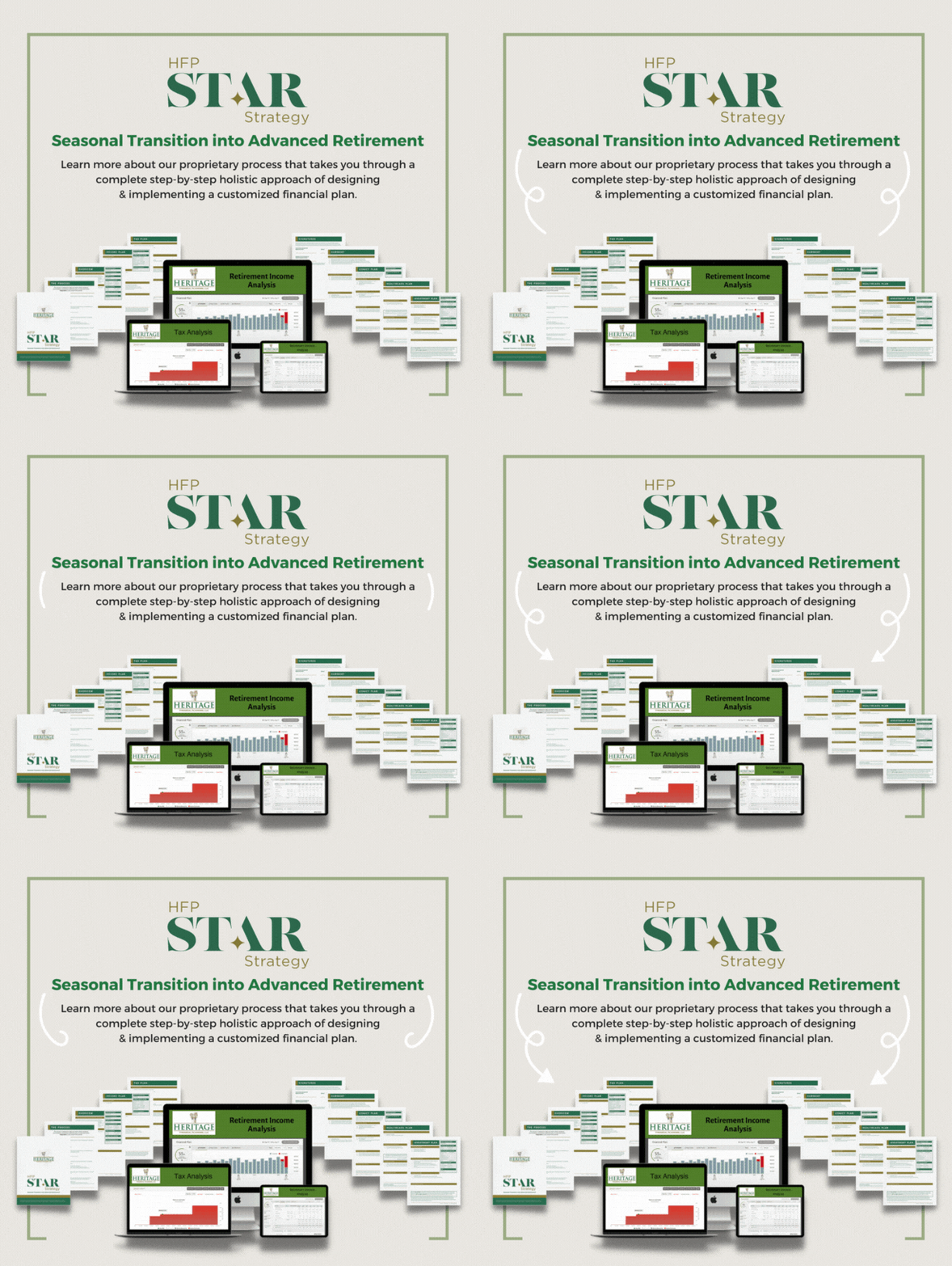
Click here to learn more about our HFP STAR Strategy process.
Sources
1. FINRA – finra.org
2. CFP Board – cfp.net
2. Heritage Financial Planning – heritagefinancialplanning.net