

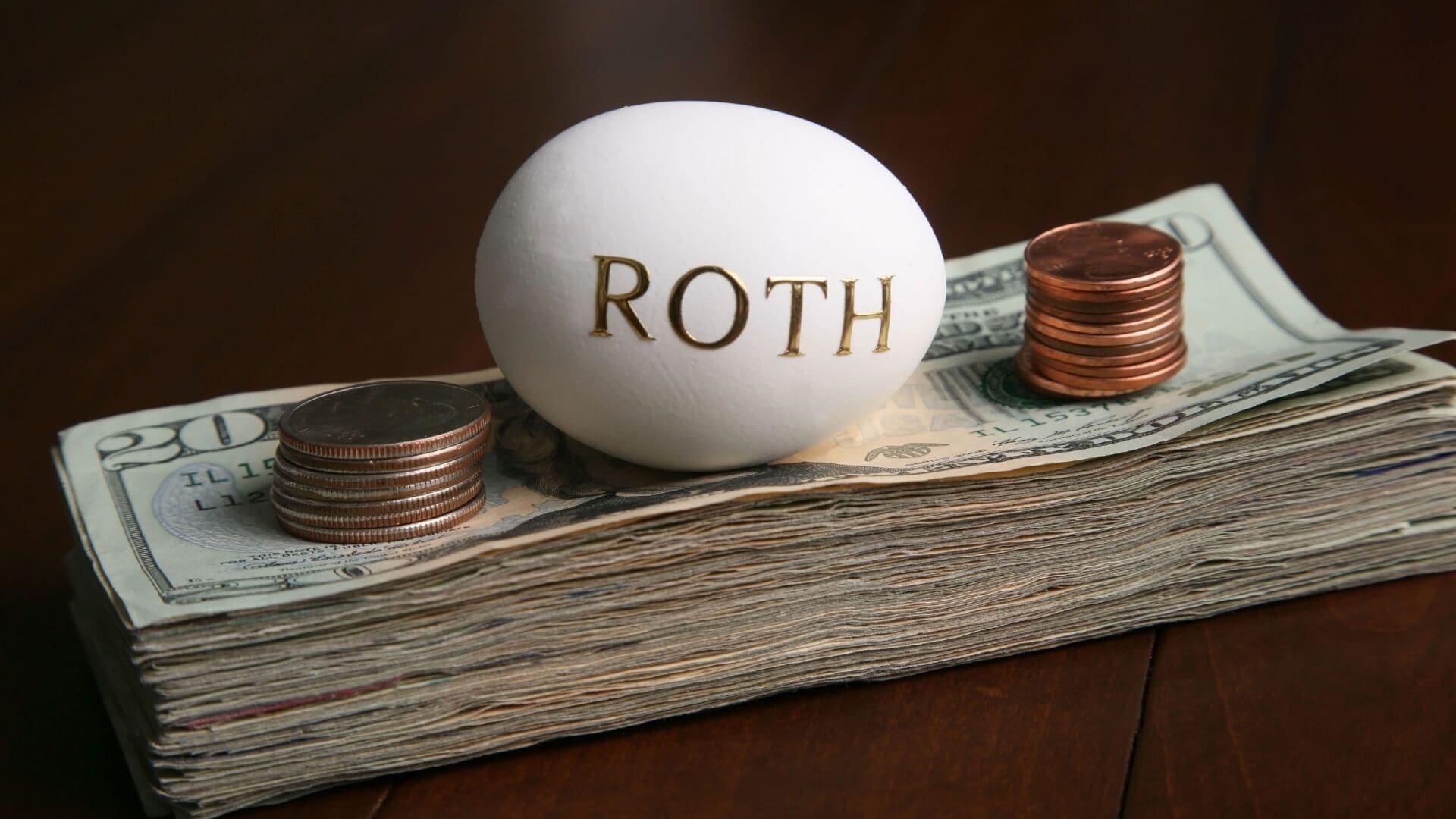
Roth conversions are often presented as a powerful strategy in retirement planning—and in many cases, they can be. The idea of paying taxes now in exchange for potentially tax-free income later can sound appealing, especially in an environment where future tax rates are uncertain.
However, like most financial strategies, Roth conversions are not universally appropriate.
Understanding when a Roth conversion may be helpful—and when it may not—requires looking beyond the concept itself and considering how it fits into your broader retirement plan. The decision is less about following a trend and more about evaluating how it aligns with your income, tax situation, and long-term goals.
What a Roth Conversion Really Means
A Roth conversion involves transferring funds from a tax-deferred account, such as a traditional IRA or 401(k), into a Roth account. When this conversion takes place, the amount moved is treated as taxable income in that year.
In exchange for paying taxes now, the converted funds may grow tax-free, and qualified withdrawals in the future are generally not subject to income tax.
At first glance, this trade-off may seem straightforward. However, the timing, context, and execution of a conversion can significantly influence whether it adds value to your overall strategy.
Why Timing Matters More Than the Strategy Itself
One of the most important factors in determining whether a Roth conversion makes sense is timing.
In certain situations—particularly in years when income is temporarily lower—a Roth conversion may allow individuals to take advantage of lower tax brackets. This often occurs in early retirement, before Social Security benefits begin or before Required Minimum Distributions (RMDs) are required.
In these windows, converting a portion of tax-deferred assets may help reduce the size of future RMDs and provide greater flexibility later in retirement.
However, timing can also work in the opposite direction.
Converting funds during higher-income years may push you into a higher tax bracket, increasing your current tax liability. In some cases, the cost of paying those taxes upfront may outweigh the long-term benefits of tax-free withdrawals.
This is why Roth conversions are rarely a one-time decision. Instead, they are often evaluated as part of a multi-year strategy.
The Role of Income and Future Planning
A Roth conversion should always be considered in the context of your overall income plan.
Retirement income often comes from multiple sources, including Social Security, retirement accounts, taxable investments, and possibly pensions. Each of these sources interacts differently within the tax system.
Adding a Roth conversion into the mix increases taxable income for that year, which can have ripple effects. For example, it may influence how much of your Social Security benefits are taxed or affect Medicare premium thresholds.
At the same time, reducing the balance of tax-deferred accounts through conversions may lower future RMDs, which can help manage income levels later in retirement.
The key is understanding how today’s decision fits into your long-term income strategy.
How You Pay the Taxes Matters
Another important consideration is how the taxes on the conversion are paid.
If taxes are paid using funds from outside the retirement account, the full converted amount remains invested in the Roth account, allowing for greater long-term potential.
On the other hand, if taxes are paid using funds from the retirement account itself, the amount ultimately moved into the Roth may be reduced. This can limit the overall benefit of the conversion.
This detail is often overlooked, but it can meaningfully influence the outcome.
When Roth Conversions May Be Helpful
In general, Roth conversions may be more beneficial in situations where:
- Income is temporarily lower than it is expected to be in the future
- There is a desire to reduce future RMD obligations
- Tax diversification is a goal
- Long-term flexibility is a priority
In these scenarios, converting smaller amounts over time—rather than making a large, single conversion—may help manage tax exposure more effectively.
When Roth Conversions May Not Be the Right Fit
There are also situations where Roth conversions may be less appropriate.
For example, if an individual is already in a higher tax bracket, converting additional income may increase tax liability without providing a clear long-term advantage. Similarly, if funds are likely to be needed in the near term, the benefits of tax-free growth may not have enough time to materialize.
Additionally, if paying the taxes associated with the conversion creates financial strain, the strategy may not align with overall goals.
These considerations highlight an important point: Roth conversions are not inherently good or bad—they are context-dependent.
Why This Matters in Today’s Retirement Landscape
Today’s retirement environment is more dynamic than ever. Longer life expectancies mean retirement can span decades, and tax rules may evolve over time.
At the same time, many retirees rely heavily on tax-deferred accounts, which can lead to larger required distributions later in life. Without planning, this may increase taxable income during years when flexibility is most valuable.
Roth conversions can play a role in addressing these challenges—but only when used thoughtfully.
A More Strategic Approach
At Heritage Financial Planning, we view Roth conversions as one piece of a broader retirement strategy—not a standalone solution.
Through our HFP S.T.A.R. Strategy (Seasonal Transition into Advanced Retirement), we help clients evaluate how income, taxes, and long-term planning decisions interact across different phases of retirement.
This includes assessing when conversions may be beneficial, how they fit within your overall plan, and how they can be implemented gradually over time.
The goal is not to chase a strategy, but to build a plan that evolves with you.
Moving Forward With Clarity
Roth conversions can be a valuable tool—but only when used in the right context.
By understanding how timing, income, and long-term planning considerations interact, you can make more informed decisions about whether this strategy fits your financial picture.
If you’re unsure how Roth conversions may impact your retirement plan, a thoughtful review can provide clarity. At Heritage Financial Planning, we work with individuals and families to create personalized strategies designed to adapt over time.
If you’d like to explore how this approach may apply to your situation, we invite you to schedule a conversation with our team.
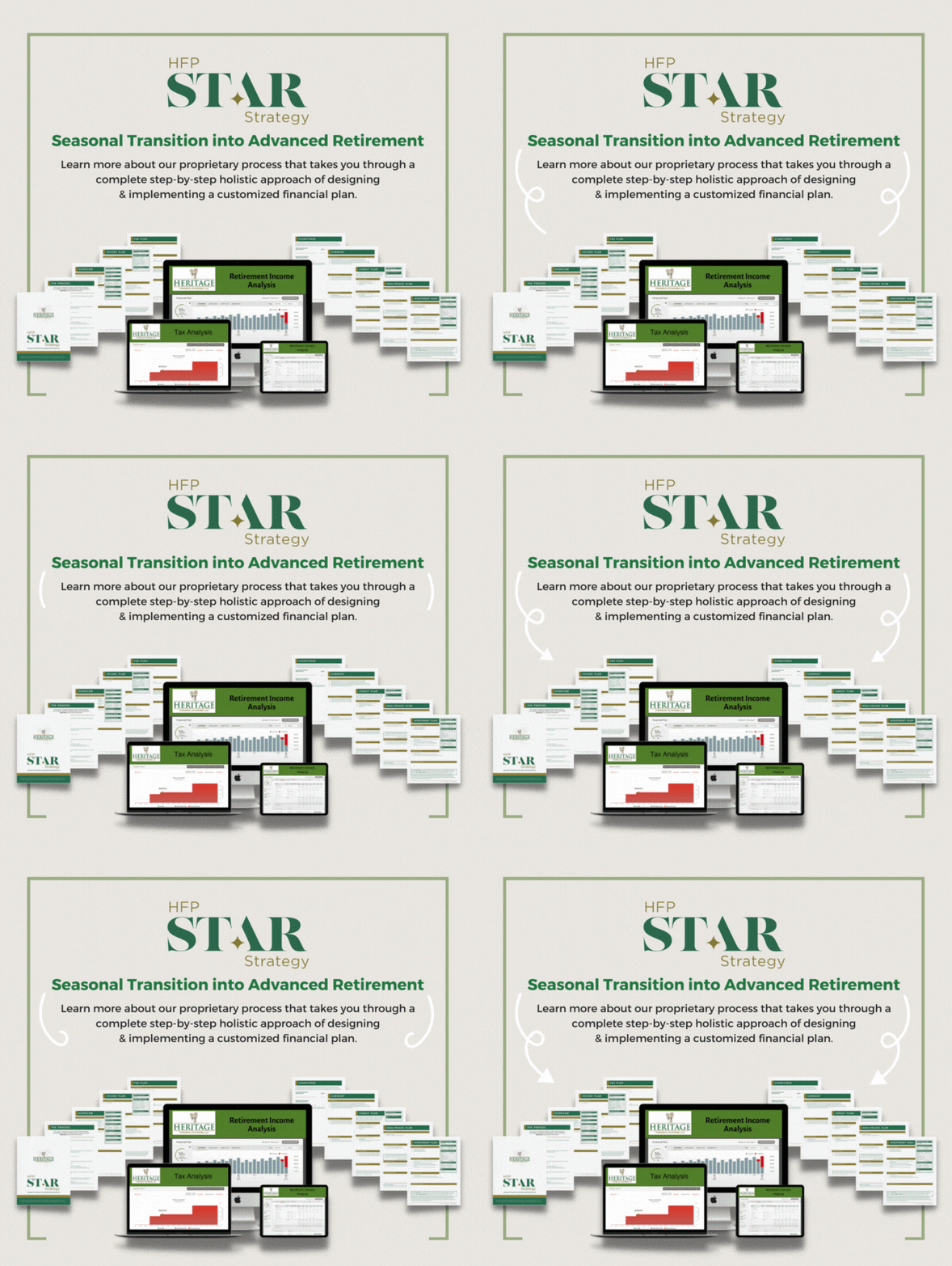
Click here to learn more about our HFP STAR Strategy process.
Sources
1 . Internal Revenue Service (IRS) – Roth IRAs & Conversions Overview
https://www.irs.gov/retirement-plans/roth-iras
2 . Fidelity Investments – Roth Conversion Strategies and Considerations
https://www.fidelity.com/viewpoints/retirement/roth-conversion
3 . Charles Schwab – When a Roth Conversion Makes Sense
https://www.schwab.com/ira/roth-conversion