




Retirement is often viewed as a destination—a point where years of saving, investing, and planning finally culminate in the freedom to step away from work. While reaching retirement is certainly a major milestone, what many people don’t realize is that some of the most important retirement decisions occur after they retire, not before.
In fact, the first five years of retirement may have a greater influence on the next twenty-five years than many retirees expect.
These early years represent a unique transition period. During this time, retirees begin establishing spending habits, implementing withdrawal strategies, making healthcare decisions, and adjusting to a completely different financial reality. The choices made during this phase can create long-term opportunities—or long-term challenges.
Understanding the importance of these early retirement years can help create a stronger foundation for the decades ahead.
The Transition From Accumulation to Distribution
For most of your working life, retirement planning focuses on accumulation. The goal is relatively straightforward: save consistently, invest appropriately, and grow assets over time.
Retirement introduces an entirely different objective. Instead of building assets, retirees begin relying on those assets to support their lifestyle. This transition from accumulation to distribution is one of the most significant financial shifts a person will experience.
While the focus during your working years may have been maximizing contributions and investment growth, retirement requires careful coordination of income sources, withdrawals, taxes, and spending patterns.
Many retirees underestimate how different this phase feels. Watching account balances grow is very different from relying on those same accounts for monthly income. This is why the first few years of retirement deserve special attention.
Establishing Spending Habits Early
The early years of retirement are often the most active. Many retirees travel, pursue hobbies, spend more time with family, and take advantage of opportunities they postponed while working. This can be one of the most rewarding phases of retirement. However, it is also when spending patterns are established.
These early habits often set expectations for future lifestyle choices. While enjoying retirement is important, understanding how spending impacts long-term sustainability can help ensure that today’s enjoyment doesn’t create unnecessary challenges later. This doesn’t mean retirees should avoid spending money. Quite the opposite.
Retirement is meant to be enjoyed. The goal is simply to align spending decisions with a broader income strategy that considers both current enjoyment and future needs. Finding that balance early can provide greater flexibility later.
Why Sequence of Returns Risk Matters
One of the most important—and least understood—risks during the early years of retirement is sequence of returns risk. This refers to the order in which investment returns occur. Two retirees may earn the same average return over twenty-five years, but if one experiences significant market declines during the first few years of retirement while taking withdrawals, the long-term outcome may be very different.
Early losses combined with withdrawals can place additional pressure on a portfolio because assets may need to be sold when values are lower. This does not mean retirees should fear market volatility. It simply highlights the importance of having an income strategy that accounts for changing market conditions. The first few years of retirement are often when sequence risk has the greatest potential impact, which is why thoughtful planning during this period is so important.
Tax Decisions Can Have Long-Term Consequences
The early years of retirement may also present unique tax planning opportunities. Many retirees experience a temporary period between leaving work and beginning Required Minimum Distributions (RMDs). In some cases, Social Security benefits may not have started yet either.
This window can create opportunities for proactive tax planning. Strategies such as Roth conversions, income coordination, and thoughtful withdrawal planning may provide greater flexibility later in retirement. While every situation is different, these years often represent one of the most valuable planning periods available.
Unfortunately, many retirees don’t recognize these opportunities until the window has passed. This is another reason why regular planning reviews remain important even after retirement begins.
Healthcare Decisions Become More Important
Healthcare planning often becomes a larger consideration during retirement. While Medicare provides important coverage, retirees still face decisions involving supplemental coverage, prescription plans, healthcare budgets, and potential long-term care considerations.
The first few years of retirement are often when these decisions begin to take shape. Making thoughtful choices early can help create a framework that supports healthcare needs as retirement progresses. Because healthcare costs frequently increase with age, planning ahead can help reduce future uncertainty.
Retirement Isn’t Static
One of the biggest misconceptions about retirement is that once a plan is created, it remains unchanged. In reality, retirement is constantly evolving. Lifestyle priorities shift. Family circumstances change. Markets fluctuate. Tax laws evolve. Healthcare needs develop.
The most successful retirement plans are often those designed to adapt rather than remain rigid. The first five years provide valuable insight into how retirement actually looks and feels. This information allows adjustments to be made before small issues become larger challenges.
Why This Matters in Today’s Retirement Landscape
Today’s retirees face longer retirements than previous generations. Many individuals may spend thirty years or more in retirement. That means the decisions made at age 65 can continue affecting financial outcomes well into their 80s and 90s.
At the same time, retirees face additional complexities, including inflation, healthcare costs, changing tax rules, and market volatility. These realities make the first few years of retirement especially important. Rather than viewing retirement as the finish line, it may be more helpful to view it as the beginning of a new phase that requires ongoing attention and refinement.
A More Structured Approach to Early Retirement Planning
At Heritage Financial Planning, we help clients navigate this critical transition through our HFP S.T.A.R. Strategy (Seasonal Transition into Advanced Retirement). Our process recognizes that retirement unfolds in stages. The first few years often present different opportunities and challenges than later phases of retirement.
By reviewing income strategies, tax planning opportunities, healthcare considerations, and risk management regularly, we help clients build plans designed to evolve alongside their lives. The goal is not to predict every future outcome. It is to create a strategy that remains flexible and resilient as circumstances change.
Moving Forward With Confidence
The first five years of retirement may be some of the most important years of your financial life. The decisions made during this period can influence income sustainability, tax efficiency, healthcare planning, and overall financial flexibility for decades to come.
Fortunately, these years also present opportunities. With thoughtful planning and regular review, retirees can create a strong foundation that supports both today’s lifestyle and tomorrow’s security.
At Heritage Financial Planning, we help individuals and families navigate these important transitions through our HFP S.T.A.R. Strategy. If you’d like to review how your current retirement plan is positioned for the years ahead, we invite you to schedule a conversation with our team.
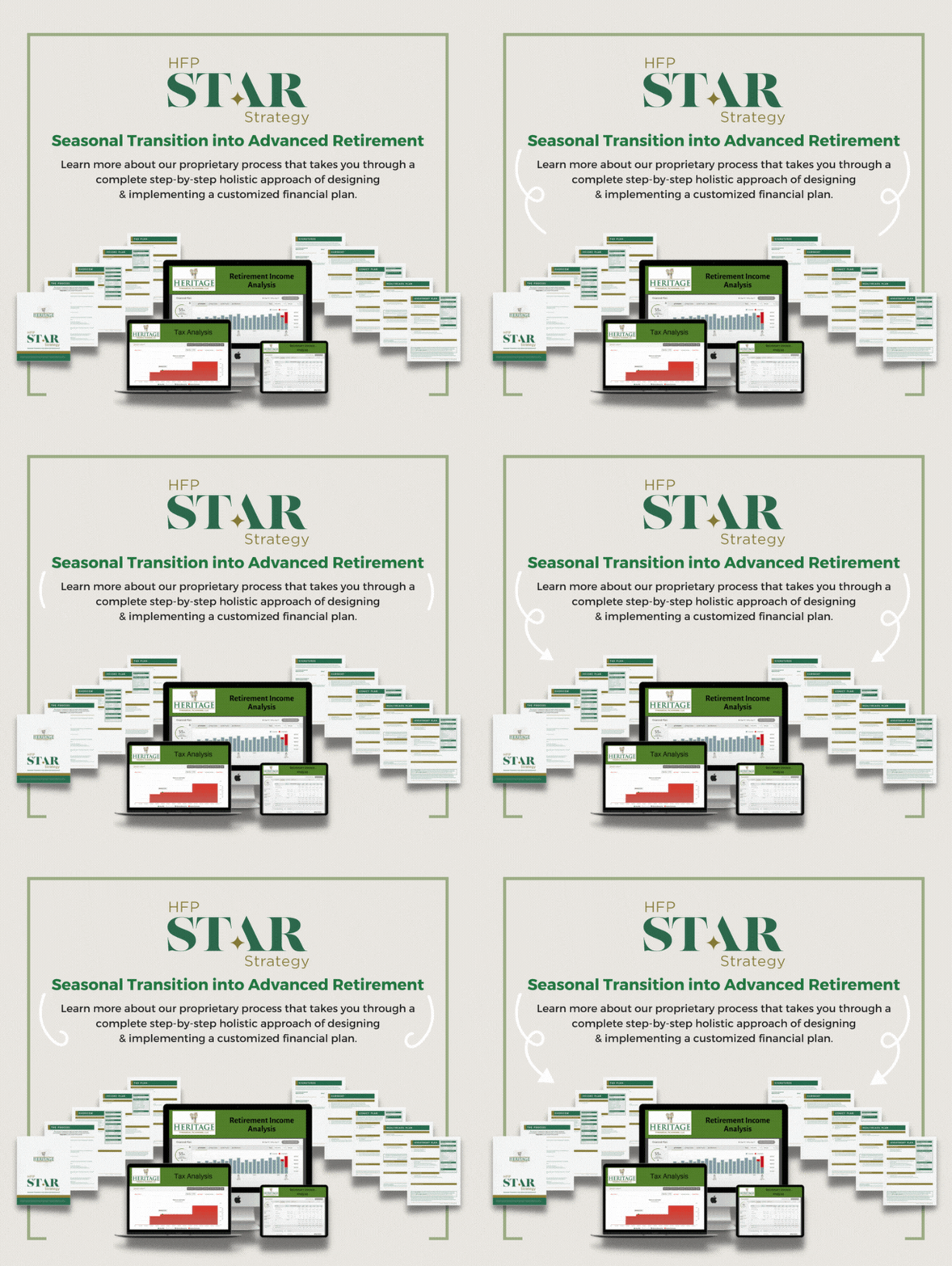
Click here to learn more about our HFP STAR Strategy process.
Sources
1 . Fidelity Investments – Retirement Income Planning Resources
https://www.fidelity.com/retirement-planning
2. Morningstar – Retirement Research and Withdrawal Strategies
https://www.morningstar.com/retirement
3. Vanguard – Retirement Spending and Withdrawal Guidance
https://investor.vanguard.com/investor-resources-education/retirement